Leaks, pipes & freezing · Denver
Frozen pipe thawing in Denver, CO
If a faucet gives no water or only a trickle after a hard freeze, a pipe is frozen. Leave that faucet open, warm the area gently, and call a plumber if you can't find the frozen section or if it's inside a wall, because a split pipe will leak as soon as it thaws.
- Licensed Colorado plumbers
- The problem explained before work starts
- Price agreed before the job begins
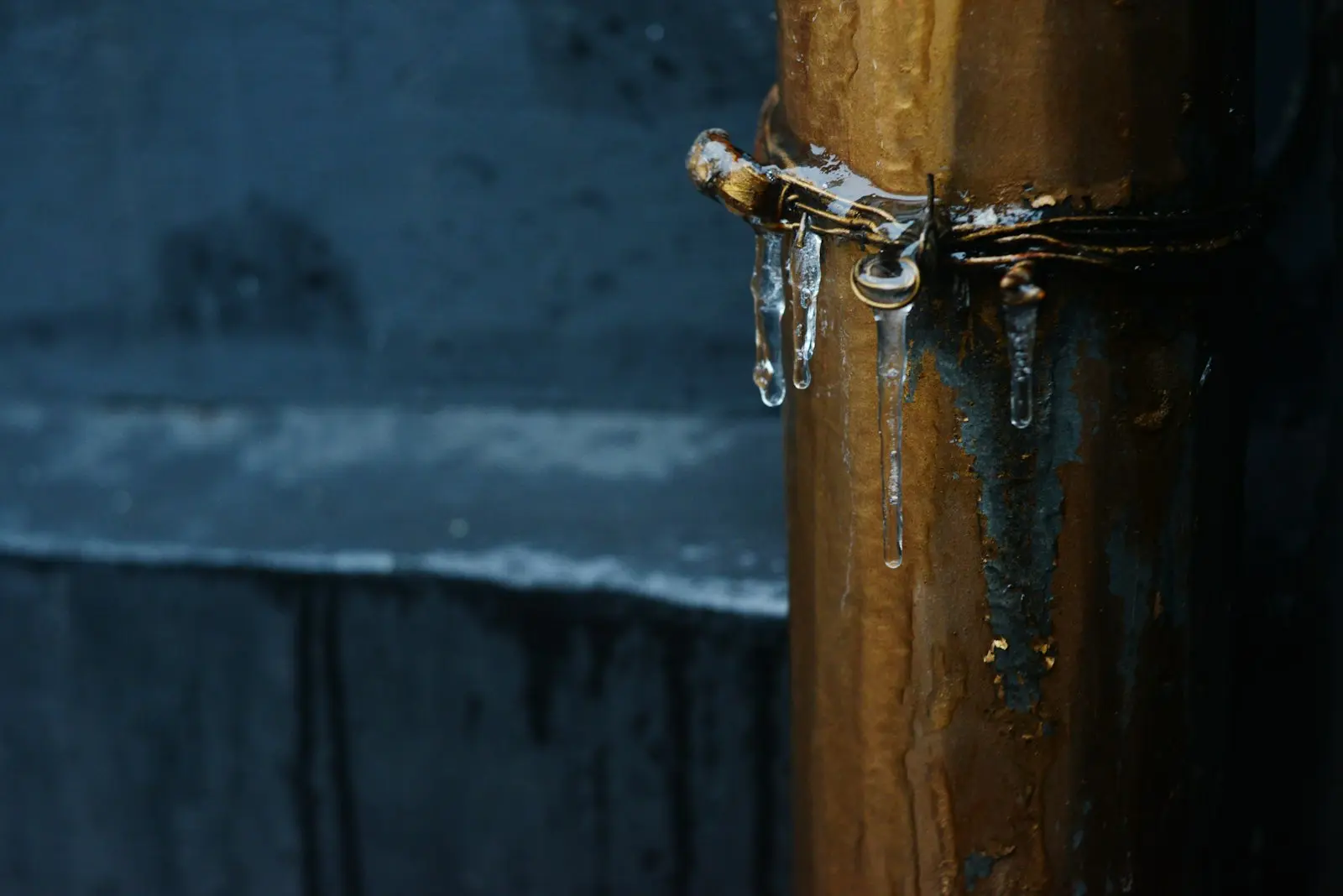
Frozen pipe thawing for Denver homes
Front Range cold arrives fast. An arctic front can drop temperatures 40 degrees in an afternoon, and pipes in exterior walls, garages, crawl spaces and over unheated soffits freeze first. Homes with pipes run along north-facing walls, or kitchens over a garage, see the same freeze every winter.
Thawing is only half the job. The plumber also checks for a split before full pressure returns, and looks at why that section froze so it can be insulated, rerouted or heat-traced.
Frozen pipe thawing at a glance
- Urgency
- Can be an emergency: shut off the water and call
- Area
- Denver, CO
- Who does the work
- An independent, licensed Colorado plumber
- Permit
- Plumbing permits and inspections are handled by Denver Community Planning and Development. Sewer work in the street also needs a right-of-way permit from the city.
- Typical steps
- Locate the freeze → Thaw safely → Check for splits → Prevent the next one
- Availability
- Call now to check plumber availability
Signs you need frozen pipe thawing
- No water, or a trickle, from one faucet or one side of the house
- Frost on an exposed pipe in a garage or crawl space
- A toilet that won't refill
- Banging or groaning when a faucet is opened
- A sewer-like smell from a drain (ice can block the vent or drain too)
Local conditions
What's different in Denver
Denver's freezes often follow mild, sunny days, so homeowners aren't ready when an arctic front drops the temperature below zero overnight. Pipes most at risk are in older homes with plumbing on exterior walls, kitchens over unheated porches, and basement rim joists in 1950s ranches where the sill was never sealed.
Finished basements are a frequent trouble spot: pipes that once sat in a warm open basement are now enclosed behind drywall against a cold foundation wall. When one freezes, a plumber locates it from the dead fixture back toward the main and thaws it with controlled heat before checking for a split.
Permits: Plumbing permits and inspections are handled by Denver Community Planning and Development. Sewer work in the street also needs a right-of-way permit from the city.
How the job usually goes
- 1
Locate the freeze
The plumber traces the line from the dead fixture back toward the main, checking exterior walls, garage ceilings and crawl spaces.
- 2
Thaw safely
Controlled heat such as a heat gun, heat tape or an electric pipe thawing machine is used. Never an open flame.
- 3
Check for splits
As water starts to move, the section is watched for leaks before the faucet is closed and full pressure builds.
- 4
Prevent the next one
Options include insulation, heat cable, sealing air leaks around the rim joist, or moving the pipe into a heated space.
What affects the cost
Every job is priced by the plumber after they see it. These are the things that move the price most. Ask for the price before work starts.
- How easy the frozen section is to reach
- Whether the line split while frozen
- Number of frozen runs
- Adding heat cable or rerouting a pipe
Before the plumber arrives
Safe to do
- • Open the faucet so melting water can flow
- • Open cabinet doors under sinks on exterior walls
- • Warm the area with a space heater kept well away from anything flammable
Stop and call
- • Never use a torch or open flame
- • Stop if you see water or hear dripping as it thaws: shut the main and call
- • Don't use a hair dryer near standing water
Frozen pipe thawing questions
At what temperature do pipes freeze in Denver homes?
Should I drip my faucets in a Colorado cold snap?
How long does it take a pipe to freeze?
Can a frozen pipe thaw on its own without damage?
Which pipes freeze first in Colorado homes?
Should I keep the heat on when I travel in winter?
Can I use a space heater to thaw a frozen pipe?
Also in Denver
Related
Related plumbing services
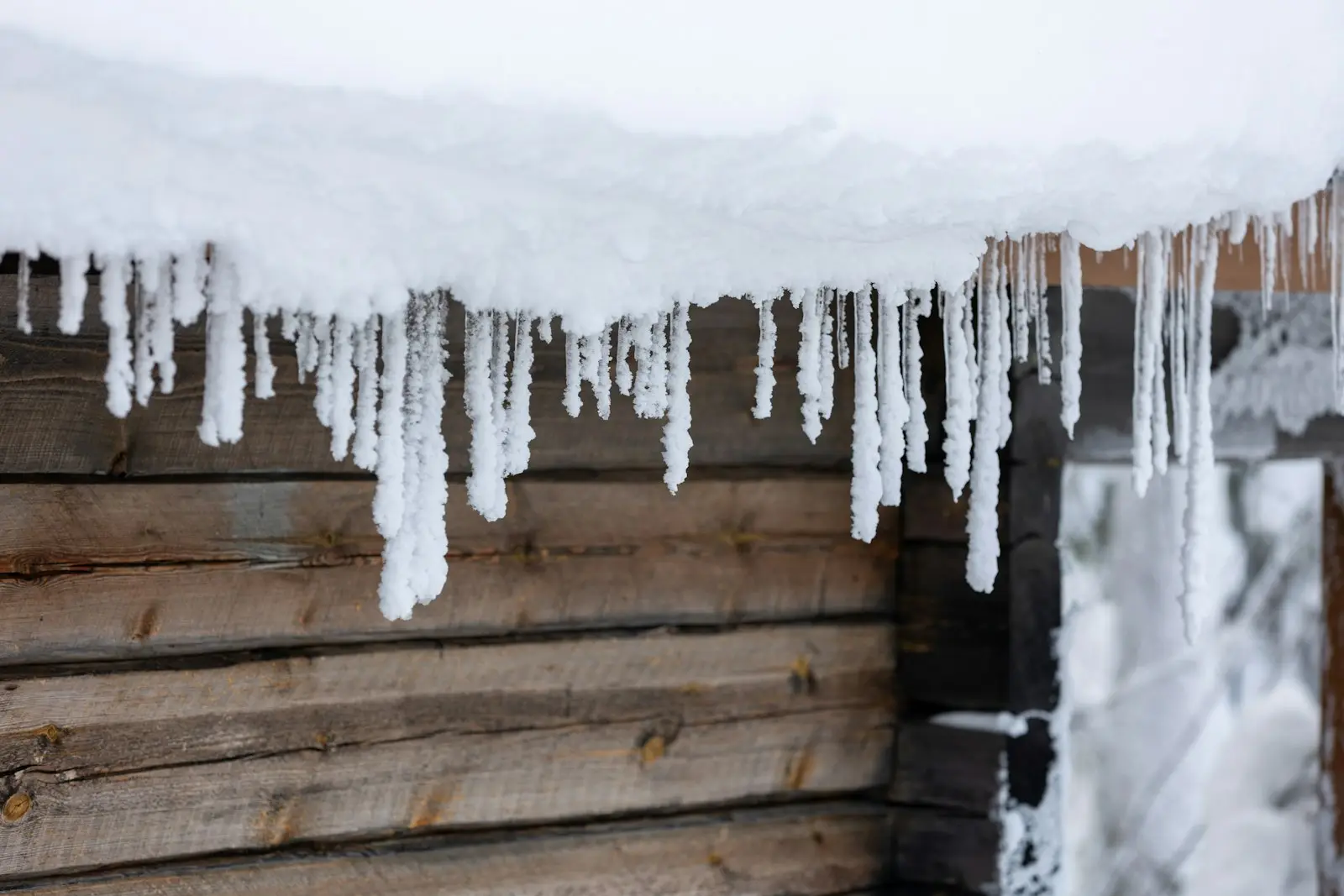
Burst pipe repair
Turn off the main water shutoff first, then open a faucet on the lowest floor to drain the lines.
Learn more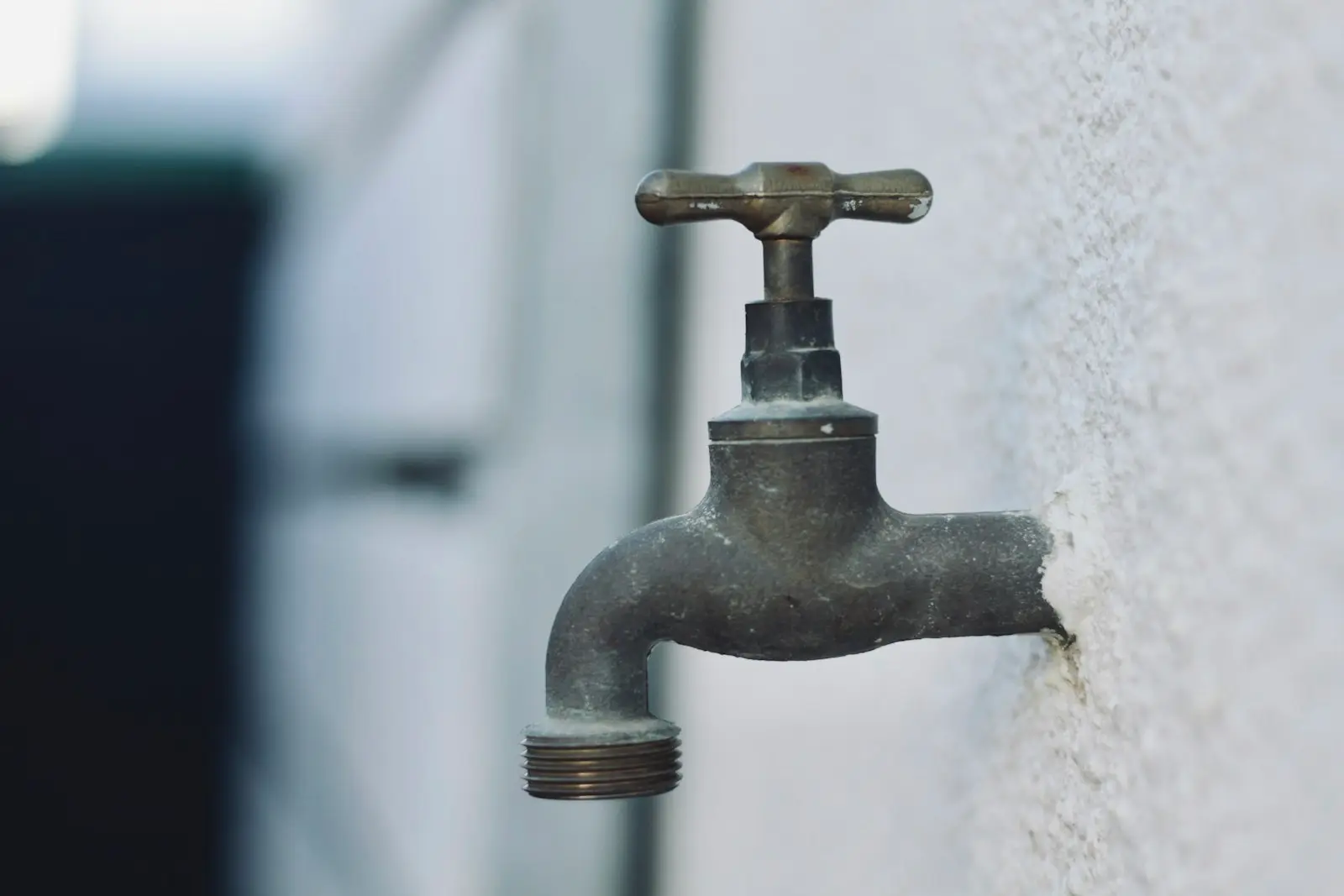
Frost-free hose bib repair
A frost-free hose bib keeps its valve inside the heated house, but it still splits if a hose is left attached in freezing weather, because water can't drain out.
Learn more
Leak detection
Turn off every fixture and watch the water meter's leak indicator.
Learn more
Repiping
Repiping replaces a home's water supply lines, usually because old galvanized steel has corroded or polybutylene is at risk of failing.
Learn moreGuides
Read before you call
Emergencies
What to do when a pipe bursts
Shut off the main water valve, open the lowest faucet in the house to drain the lines, turn off the water heater, and cut power to any room where water is reaching outlets. Then call a plumber, photograph the damage, and call your insurer.
Winter & freezing
How to prevent frozen pipes in a Colorado winter
Before the first hard freeze, disconnect hoses, blow out the sprinkler system and seal air leaks near pipes. During a cold snap, keep the heat at 55 °F or higher, open cabinet doors on exterior walls, and let faucets on outside walls drip.
Winter & freezing
How to winterize outdoor faucets and sprinklers
Disconnect every hose, check that hose bibs are frost-free or shut off and drained from inside, have the sprinkler system blown out with compressed air, and drain or insulate the backflow preventer. Do it before the first hard freeze, often in October on the Front Range.
Need frozen pipe thawing in Denver?
Tell us what's going on and your ZIP code. You'll be connected with a licensed plumber who serves your area.
Call now to check plumber availability