Leaks, pipes & freezing
Leak detection
Turn off every fixture and watch the water meter's leak indicator. If it moves, water is leaking somewhere. A plumber uses pressure tests, acoustic listening and thermal imaging to find the leak so only a small section of wall or floor has to be opened.
- Licensed Colorado plumbers
- The problem explained before work starts
- Price agreed before the job begins
About leak detection
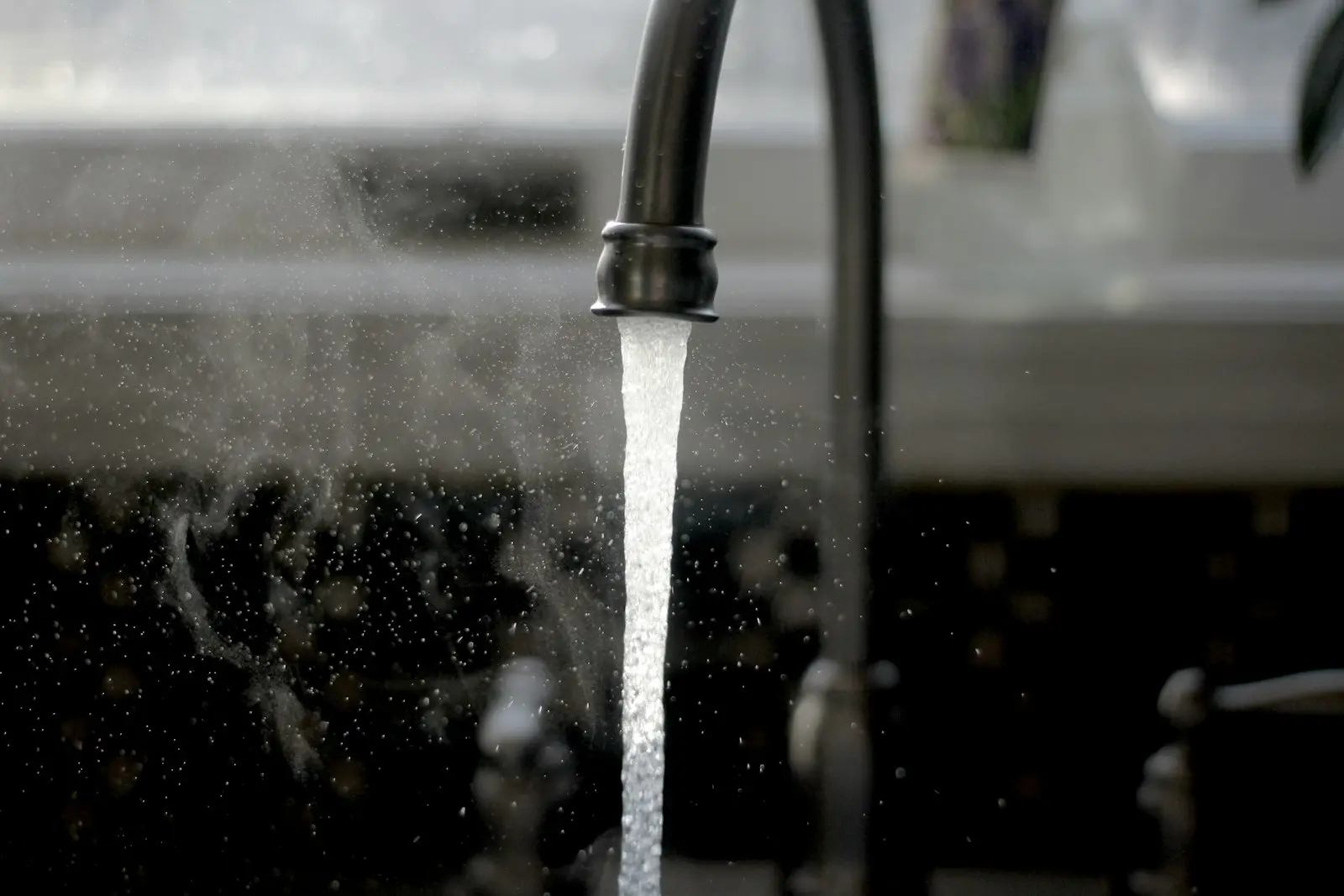
Hidden leaks waste water and rot framing before anyone sees them. In Colorado's dry air a slow leak can evaporate as fast as it drips, so a stain may never appear. The first sign is often a water bill that jumps between seasons that should match.
Detection starts by splitting the system: supply versus drain, hot versus cold, inside versus the service line outside. Then the plumber narrows it down with tools rather than guesses.
Leak detection at a glance
- Urgency
- Usually plannable
- Area
- the Denver metro & Northern Colorado
- Who does the work
- An independent, licensed Colorado plumber
- Permit
- Often required for replacements, repipes, sewer, water and gas line work
- Typical steps
- Meter and isolation test → Pinpoint → Open and repair → Document
- Availability
- Call now to check plumber availability
Signs you need leak detection
- A water bill higher than the same month last year
- The meter's small triangle or dial turning with everything off
- Warm spots on a floor (a hot water line leaking under a slab)
- Musty smells, bubbling paint or warped baseboards
- Constant sound of running water
How the job usually goes
- 1
Meter and isolation test
Fixtures are shut off one branch at a time to see which part of the system is losing water.
- 2
Pinpoint
Acoustic listening, thermal imaging and moisture meters narrow the leak to a small area.
- 3
Open and repair
Only the area over the leak is opened. Repairs are made and pressure tested.
- 4
Document
You get a written description of the cause for insurance or a future buyer.
What affects the cost
Every job is priced by the plumber after they see it. These are the things that move the price most. Ask for the price before work starts.
- Supply leak versus drain leak
- Leak location: wall, ceiling, under a slab or in the yard
- Equipment needed to pinpoint it
- Access and patching (drywall repair is often a separate trade)
Before the plumber arrives
Safe to do
- • Run the meter test with every fixture off for 15 minutes
- • Put food coloring in the toilet tank to check for a silent flapper leak
- • Check under sinks, behind the washer and around the water heater
Stop and call
- • Don't open drywall at random; wait for the leak to be pinpointed
- • If water is reaching electrical panels or fixtures, shut the power and call
Leak detection questions
How do I check my meter for a leak?
Is the leak my responsibility or the water utility's?
Can a slab leak happen in a Colorado basement home?
Can a plumber find a leak without opening walls?
How much water can a hidden leak waste?
Why is my water meter moving when nothing is on?
Leak detection near you, by town
Related
Related plumbing services
Burst pipe repair
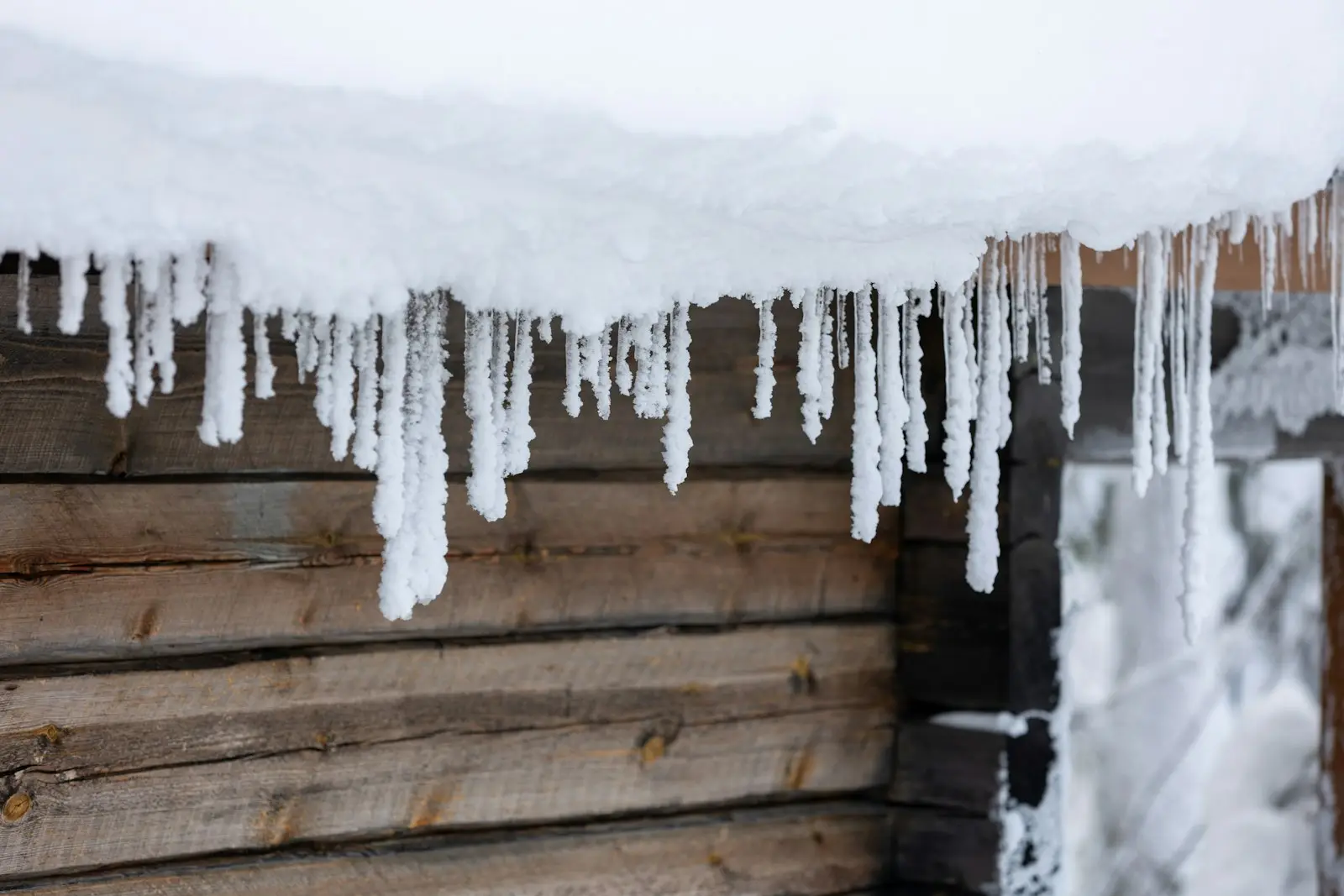
Turn off the main water shutoff first, then open a faucet on the lowest floor to drain the lines.
Learn more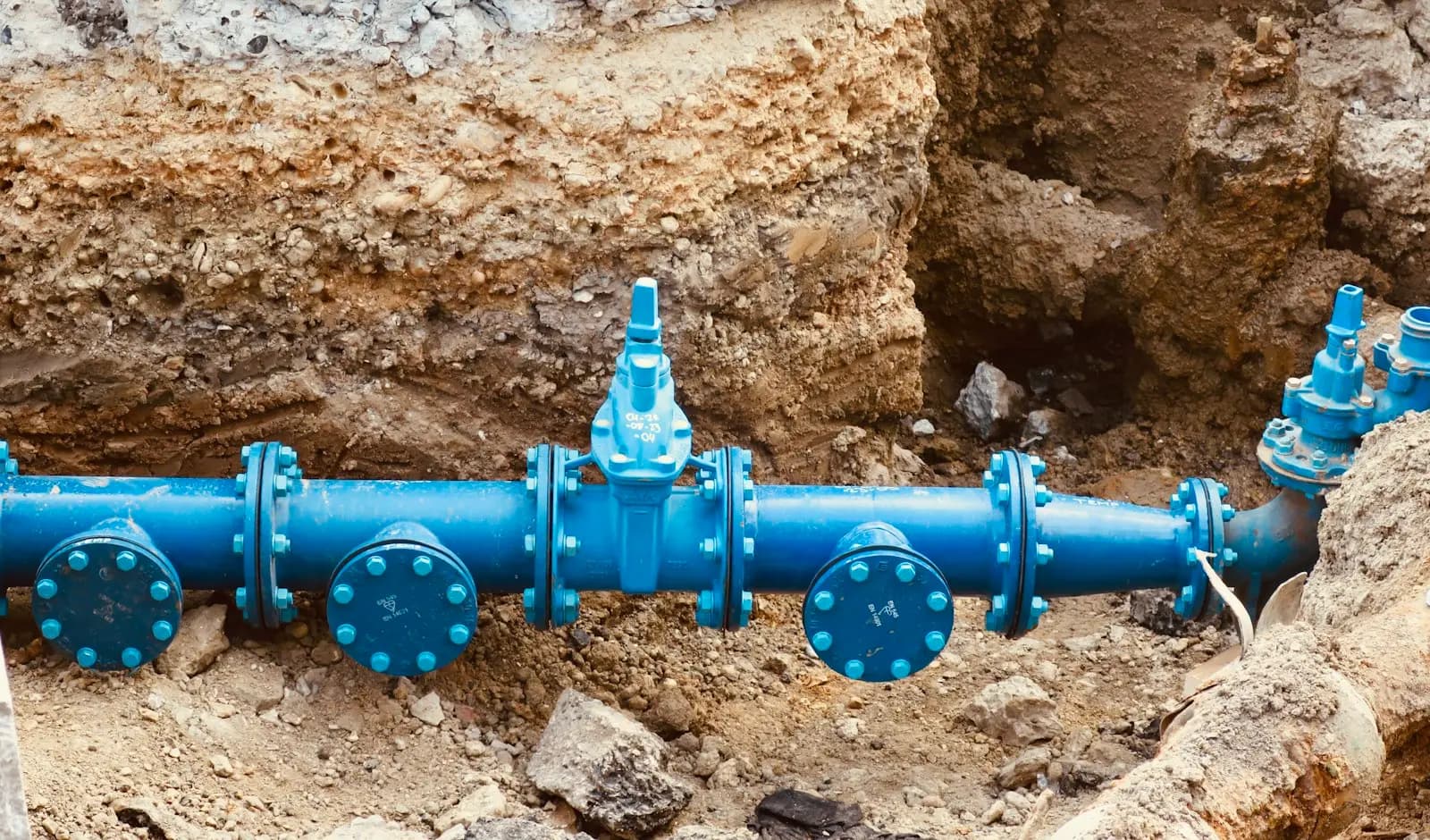
Water line repair
The water service line runs from the curb stop near the street to your house, buried below the frost line.
Learn more
Repiping
Repiping replaces a home's water supply lines, usually because old galvanized steel has corroded or polybutylene is at risk of failing.
Learn more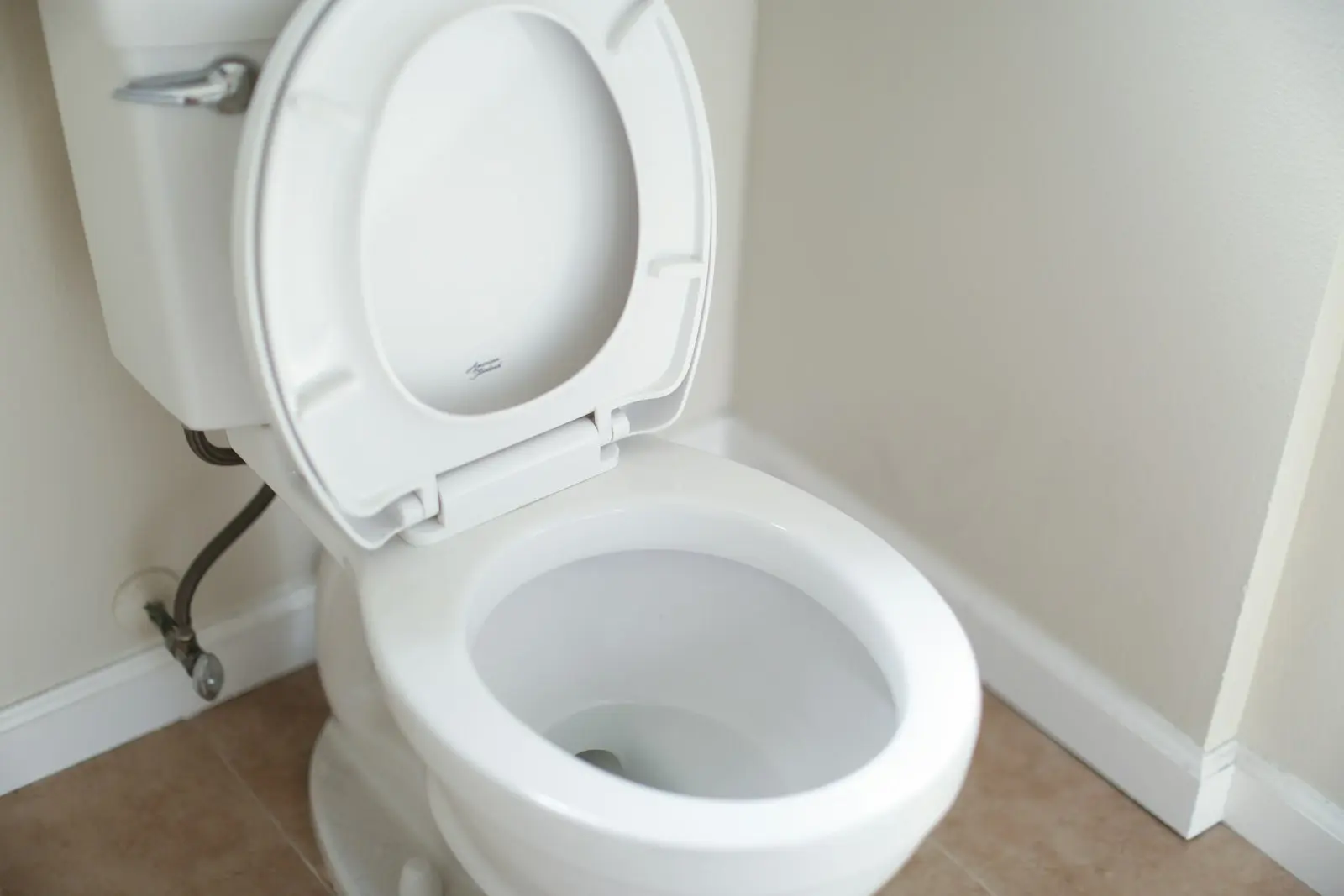
Toilet repair
A toilet that runs needs a new flapper or fill valve.
Learn moreGuides
Read before you call
Emergencies
What to do when a pipe bursts
Shut off the main water valve, open the lowest faucet in the house to drain the lines, turn off the water heater, and cut power to any room where water is reaching outlets. Then call a plumber, photograph the damage, and call your insurer.
Emergencies
How to find and test your main water shutoff
Look where the water line enters the house, usually through the basement or crawl space wall facing the street, next to the water meter. Test it once a year by closing it and confirming water stops at a faucet, so you know it works before a pipe bursts.
Costs & planning
High water bill? How to find a hidden leak
Turn off every fixture and watch the meter's leak indicator for 15 minutes. If it moves, put dye in each toilet tank, check the water heater and irrigation, then call for leak detection if you still can't find it.
Water where it shouldn't be? Start with a call.
Tell us what's going on and your ZIP code. You'll be connected with a licensed plumber who serves your area.
Call now to check plumber availability