Water heaters
Water heater replacement
A leaking tank or a heater past about 10 years old is usually replaced rather than repaired. A proper Colorado install includes a permit, correct venting for altitude, an expansion tank where required, a drip leg on the gas line and a relief valve discharge pipe.
- Licensed Colorado plumbers
- The problem explained before work starts
- Price agreed before the job begins
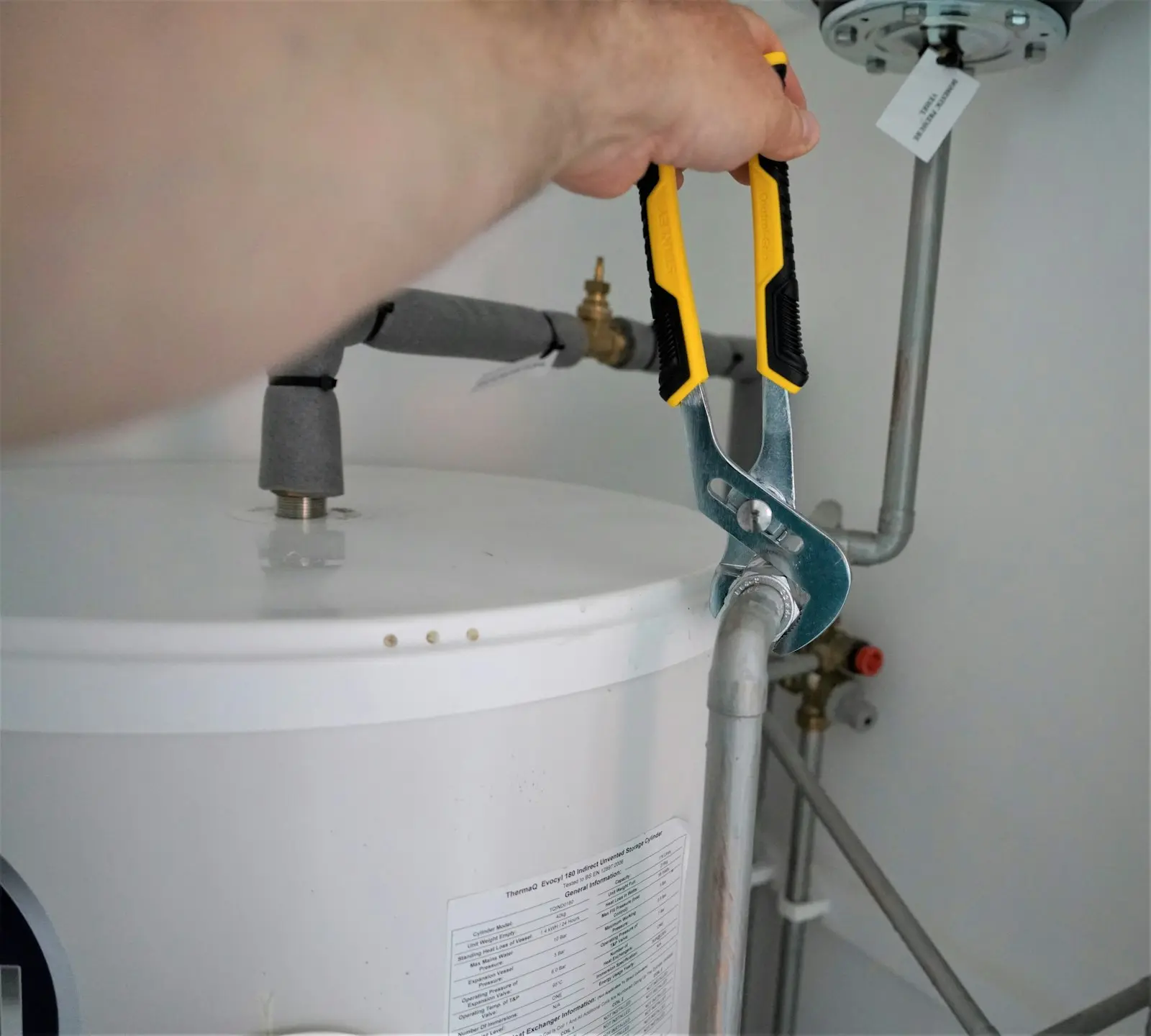
About water heater replacement
Most replacements are like-for-like: same fuel, same size, same spot. It's also the moment to check whether the old install was correct, because venting, gas line and expansion tank problems are common in older basements.
Water heater replacement requires a permit in most Front Range jurisdictions. The plumber pulls it, and an inspector checks the venting and gas connections.
Water heater replacement at a glance
- Urgency
- Usually plannable
- Area
- the Denver metro & Northern Colorado
- Who does the work
- An independent, licensed Colorado plumber
- Permit
- Often required for replacements, repipes, sewer, water and gas line work
- Typical steps
- Size it → Permit → Swap → Inspection
- Availability
- Call now to check plumber availability
Signs you need water heater replacement
- Water leaking from the tank itself
- The heater is older than 10 to 12 years
- Hot water runs out faster than it used to
- Rust in the hot water only
- Repairs are adding up
How the job usually goes
- 1
Size it
The plumber confirms household demand, fuel type, venting and space.
- 2
Permit
A permit is pulled with the city or county.
- 3
Swap
The old tank is drained and removed; the new one is set, piped, vented and tested.
- 4
Inspection
The building department inspects the install.
What affects the cost
Every job is priced by the plumber after they see it. These are the things that move the price most. Ask for the price before work starts.
- Tank size and fuel type
- Standard, power-vent or direct-vent
- Expansion tank, gas line or venting updates
- Access (basement stairs, attic, tight closets)
- Haul-away and permit
Water heater replacement questions
Do I need a permit to replace a water heater in Colorado?
What size water heater do I need?
Do I need an expansion tank?
How long does water heater replacement take?
Should I switch from gas to electric or a heat pump water heater?
Does altitude affect water heater sizing?
Water heater replacement near you, by town
Related
Related plumbing services
Water heater repair
If a gas water heater has no hot water, the pilot, thermocouple or gas valve is the usual cause; on an electric heater it's usually an element or thermostat.
Learn moreTankless water heaters
A tankless water heater heats water as it flows, so it doesn't run out, but it needs a larger gas line, its own venting and a unit rated for your elevation.
Learn more
Gas line repair & installation
If you smell gas, leave the house, then call your gas utility's emergency line or 911 from outside.
Learn moreGuides
Read before you call
Water heaters
No hot water? What to check first
On a gas water heater, check that the pilot is lit and the gas valve is on. On an electric heater, check the breaker and the high-limit reset button. If the pilot won't stay lit, the breaker trips again, or you smell gas, stop and call a plumber.
Costs & planning
Repair or replace your water heater?
Repair when a replaceable part failed on a heater under about 8 years old. Replace when the tank itself leaks, the heater is past 10 to 12 years, or repairs keep adding up. A leaking tank can't be repaired.
Water where it shouldn't be? Start with a call.
Tell us what's going on and your ZIP code. You'll be connected with a licensed plumber who serves your area.
Call now to check plumber availability