Leaks, pipes & freezing
Main water line repair
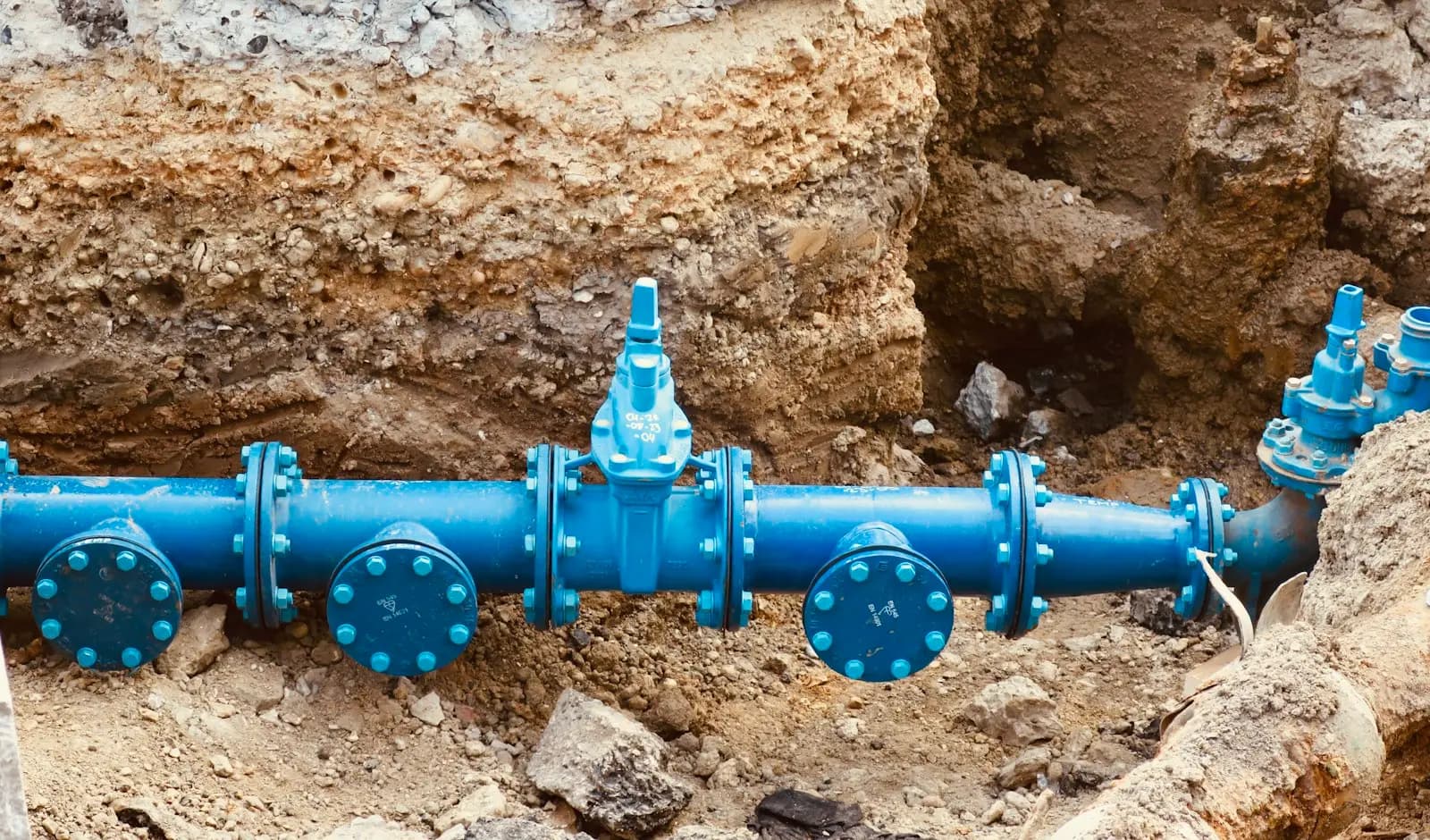
The water service line runs from the curb stop near the street to your house, buried below the frost line. A leak shows up as a soggy patch in the yard, low pressure throughout the house, or a meter that never stops. Repair means finding the leak, then fixing that spot or replacing the line.
- Licensed Colorado plumbers
- The problem explained before work starts
- Price agreed before the job begins
About water line repair
Older Front Range homes may still have galvanized or even lead service lines, and many utilities are now inventorying them. Newer homes typically have copper or PE (polyethylene) tubing. Frost heave and expansive clay soil can stress all of them.
The homeowner usually owns the line from the curb stop to the house. Before digging, Colorado 811 must be called to mark gas, electric and communication lines.
Water line repair at a glance
- Urgency
- Can be an emergency: shut off the water and call
- Area
- the Denver metro & Northern Colorado
- Who does the work
- An independent, licensed Colorado plumber
- Permit
- Often required for replacements, repipes, sewer, water and gas line work
- Typical steps
- Locate → Permit and utility locates → Repair or replace → Test and backfill
- Availability
- Call now to check plumber availability
Signs you need water line repair
- Water pooling or a soft spot in the yard between the street and the house
- Low pressure at every fixture
- The meter leak indicator moving with everything off
- Water bill rising with no change in use
- A notice from the water utility about a lead or galvanized service line
How the job usually goes
- 1
Locate
The line is traced and the leak pinpointed with acoustic equipment.
- 2
Permit and utility locates
A permit is pulled where required and Colorado 811 marks buried utilities.
- 3
Repair or replace
Spot repair for a single leak; replacement (often trenchless boring) for an old or failing line.
- 4
Test and backfill
The line is pressure tested and inspected before the trench is closed.
What affects the cost
Every job is priced by the plumber after they see it. These are the things that move the price most. Ask for the price before work starts.
- Spot repair versus full replacement
- Line length and depth
- Trenchless boring or open trench
- Driveways, walks and landscaping above the line
- Permit and tap fees
Water line repair questions
Do I own the water line to my house?
How deep is the water line in Colorado?
What are the signs of a broken water service line?
What is trenchless water line replacement?
Does Denver Water replace lead service lines?
Do I need a permit to replace my water line?
Water line repair near you, by town
Related
Related plumbing services
Leak detection
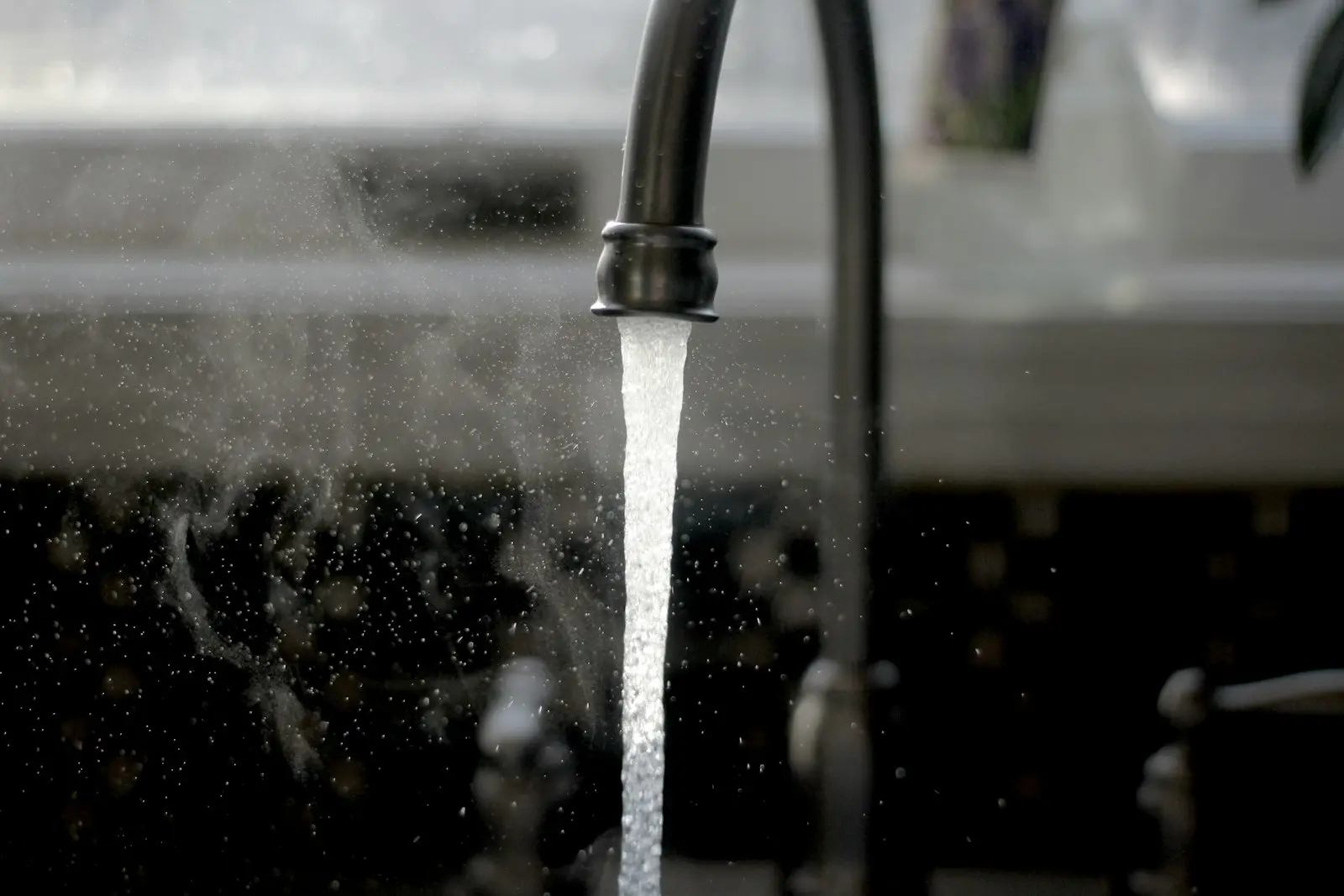
Turn off every fixture and watch the water meter's leak indicator.
Learn more
Repiping
Repiping replaces a home's water supply lines, usually because old galvanized steel has corroded or polybutylene is at risk of failing.
Learn more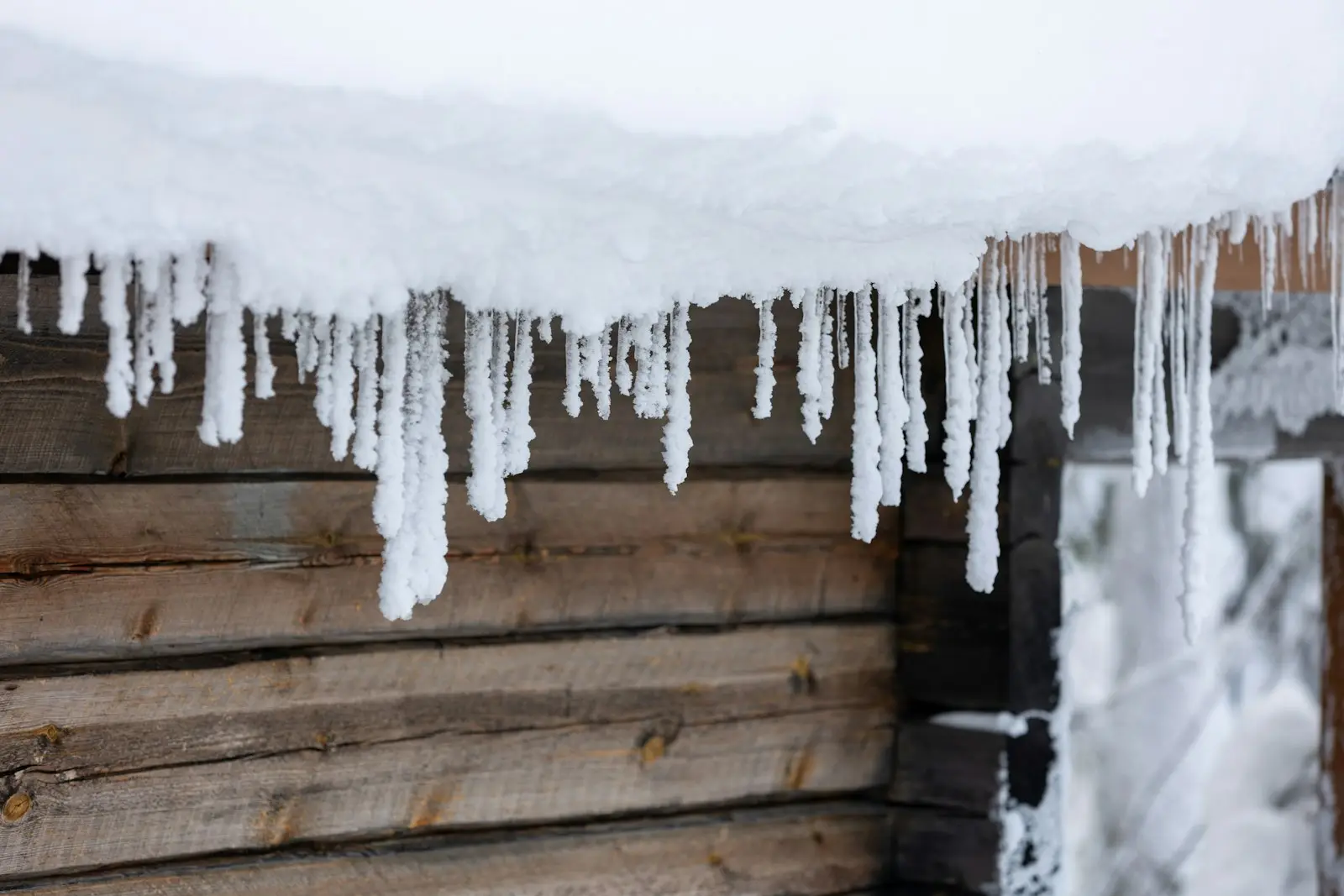
Burst pipe repair
Turn off the main water shutoff first, then open a faucet on the lowest floor to drain the lines.
Learn moreGuides
Read before you call
Emergencies
How to find and test your main water shutoff
Look where the water line enters the house, usually through the basement or crawl space wall facing the street, next to the water meter. Test it once a year by closing it and confirming water stops at a faucet, so you know it works before a pipe bursts.
Costs & planning
High water bill? How to find a hidden leak
Turn off every fixture and watch the meter's leak indicator for 15 minutes. If it moves, put dye in each toilet tank, check the water heater and irrigation, then call for leak detection if you still can't find it.
Water where it shouldn't be? Start with a call.
Tell us what's going on and your ZIP code. You'll be connected with a licensed plumber who serves your area.
Call now to check plumber availability