Winter & freezing
How to winterize outdoor faucets and sprinklers
Updated
Short answer
Disconnect every hose, check that hose bibs are frost-free or shut off and drained from inside, have the sprinkler system blown out with compressed air, and drain or insulate the backflow preventer. Do it before the first hard freeze, often in October on the Front Range.
Hose bibs
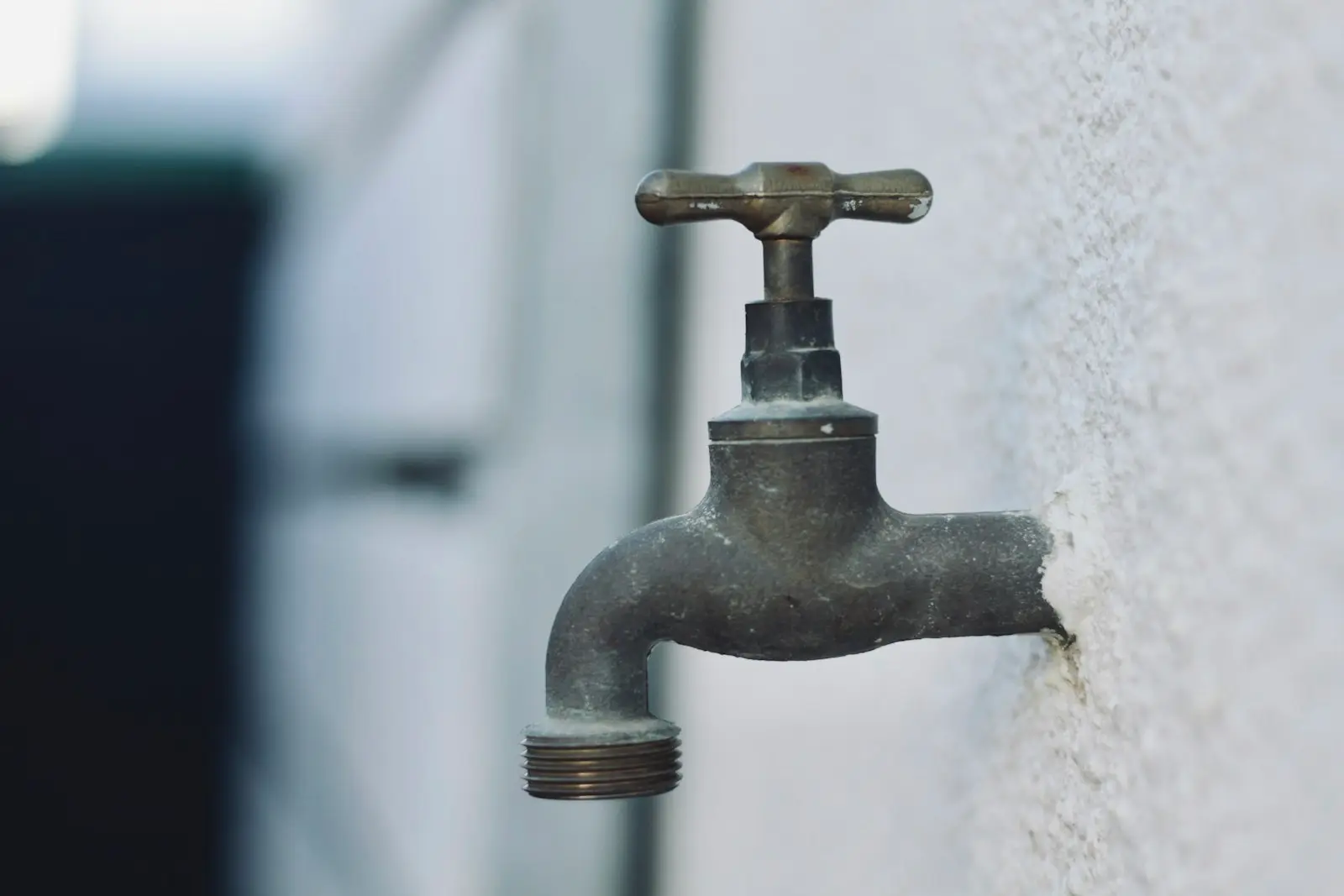
A frost-free hose bib keeps its valve inside the heated house, but only if water can drain out of the stem. A hose left attached traps water, which freezes and splits the stem inside the wall. The leak doesn't appear until you use the faucet in spring.
- Disconnect and drain all hoses
- If a bib isn't frost-free, close its inside shutoff and open the outside faucet to drain
- Leave the outside faucet open over winter if it's on an isolated shutoff
Sprinkler system blowout
Irrigation lines are shallow and full of water. A blowout uses a compressor to push water out of each zone. Most homeowners hire this out because too much pressure damages fittings and heads.
Backflow preventer
The backflow device outside is often the most expensive part to replace after a freeze. After the blowout, open its test cocks to drain it and leave the valves at a half-open angle, or insulate it as the manufacturer recommends.
What a plumber can do
If your outdoor faucets aren't frost-free, a plumber can replace them with frost-free sillcocks sized to your wall thickness and sloped to drain. They can also add an inside shutoff for each outdoor line so it can be isolated and drained in fall.
For irrigation, a certified tester can check and rebuild the backflow preventer in spring and file the result with your water provider.
- Frost-free sillcock installation
- Inside shutoff valves for outdoor lines
- Backflow testing and repair
When to call a plumber
Call if the problem keeps coming back, if water is reaching walls, ceilings or electrical areas, or if any step above involves gas, a torch or opening a sewer line. A licensed plumber handles frost-free hose bib repair and will explain the cause before starting.
Questions
When should I blow out my sprinklers in Colorado?
Can I blow out my own sprinkler system?
This guide is general information for Colorado homeowners, not a substitute for an on-site diagnosis. Local codes vary; your plumber and building department have the final word.