Gas lines
Gas line repair and installation
If you smell gas, leave the house, then call your gas utility's emergency line or 911 from outside. Once the utility has made it safe, a licensed plumber repairs the leak or runs new gas lines, pulls the permit, and pressure tests the piping.
- Licensed Colorado plumbers
- The problem explained before work starts
- Price agreed before the job begins
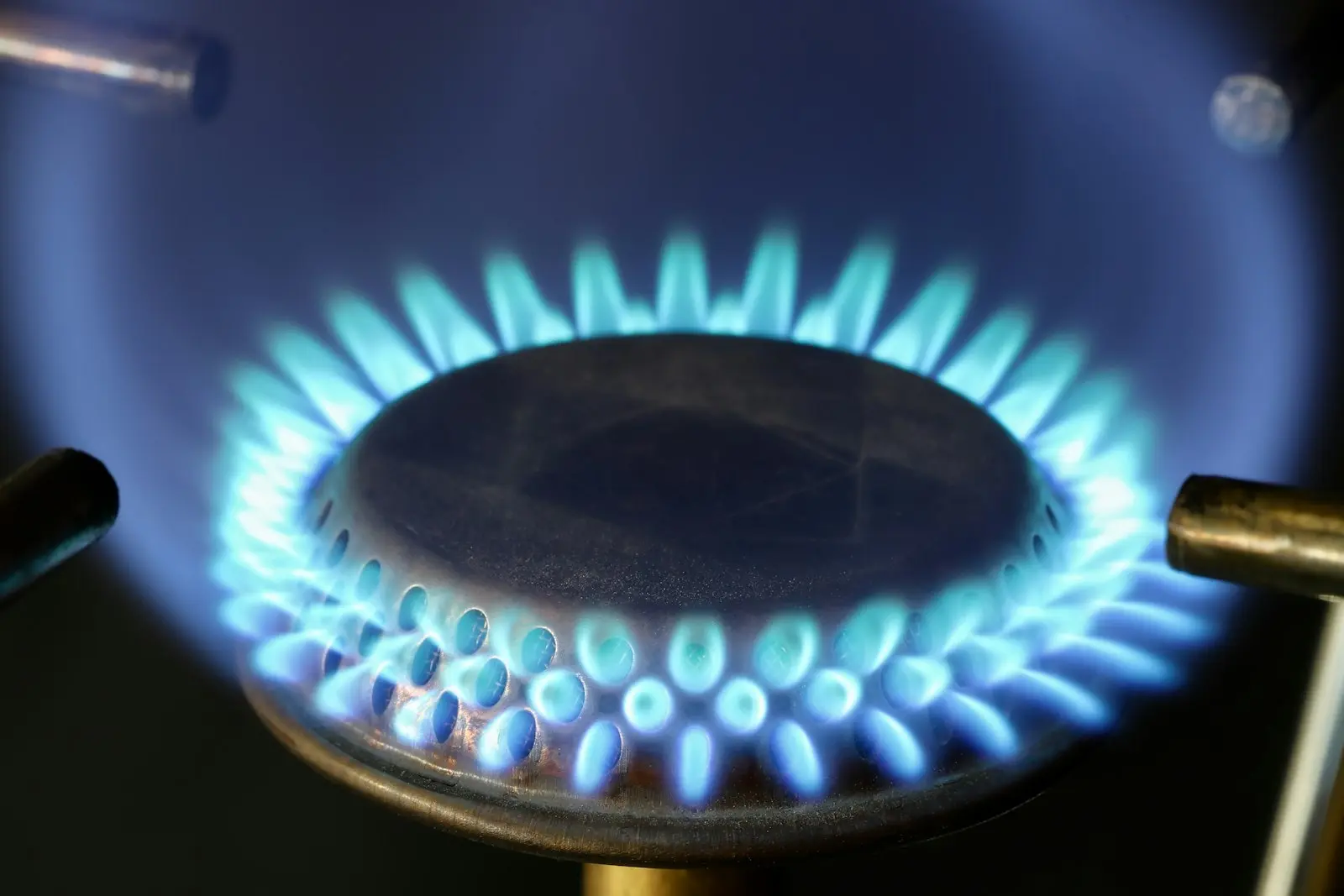
About gas line repair & installation
Natural gas in the Denver metro and much of Northern Colorado is delivered by Xcel Energy, with other utilities in some areas. Utilities respond to suspected leaks; plumbers repair and extend house piping beyond the meter.
New gas lines for ranges, dryers, fire pits, garage heaters and generators need correct sizing for the total load and a permit and inspection.
Gas line repair & installation at a glance
- Urgency
- Can be an emergency: shut off the water and call
- Area
- the Denver metro & Northern Colorado
- Who does the work
- An independent, licensed Colorado plumber
- Permit
- Often required for replacements, repipes, sewer, water and gas line work
- Typical steps
- Safety first → Size and plan → Install and permit → Pressure test
- Availability
- Call now to check plumber availability
Signs you need gas line repair & installation
- A rotten-egg smell (call the gas utility from outside)
- A hissing sound near gas piping
- Adding a gas range, dryer or outdoor appliance
- Moving or upgrading a water heater or furnace
- A failed pressure test
How the job usually goes
- 1
Safety first
Suspected leaks are made safe by the gas utility before repair.
- 2
Size and plan
The plumber calculates load and pipe size for every appliance on the line.
- 3
Install and permit
Piping is installed, the permit pulled, and Colorado 811 called for any outdoor digging.
- 4
Pressure test
The system is tested and inspected before appliances are connected.
What affects the cost
Every job is priced by the plumber after they see it. These are the things that move the price most. Ask for the price before work starts.
- Length of run and number of appliances
- Pipe material (black iron or CSST)
- Indoor versus buried outdoor line
- Meter or regulator upgrade by the utility
- Permit and inspection
Gas line repair & installation questions
What should I do if I smell gas?
Can a plumber install a gas line for a fire pit or grill?
Do I need a permit for gas line work in Colorado?
What is CSST gas pipe?
How do I know my gas line is big enough for a new appliance?
Who fixes a gas leak outside at the meter?
Gas line repair & installation near you, by town
Related
Related plumbing services
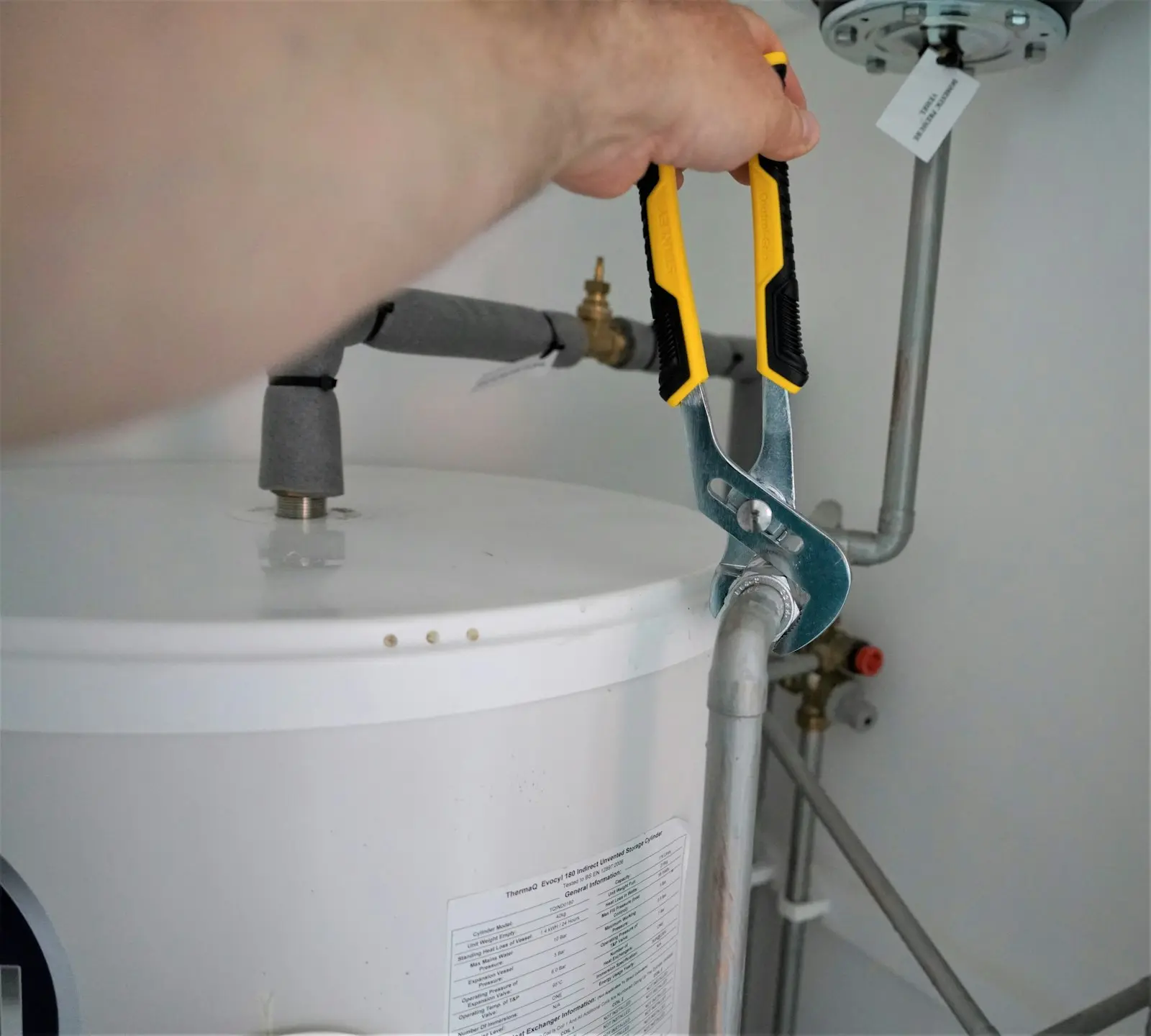
Water heater replacement
A leaking tank or a heater past about 10 years old is usually replaced rather than repaired.
Learn moreTankless water heaters
A tankless water heater heats water as it flows, so it doesn't run out, but it needs a larger gas line, its own venting and a unit rated for your elevation.
Learn moreWater where it shouldn't be? Start with a call.
Tell us what's going on and your ZIP code. You'll be connected with a licensed plumber who serves your area.
Call now to check plumber availability