Leaks, pipes & freezing
Whole-house repiping
Repiping replaces a home's water supply lines, usually because old galvanized steel has corroded or polybutylene is at risk of failing. Most repipes today use PEX, take two to five days, and are done through small wall openings rather than gutting the house.
- Licensed Colorado plumbers
- The problem explained before work starts
- Price agreed before the job begins

About repiping
Many Denver homes built before the 1960s still have galvanized supply pipe, which rusts from the inside until pressure drops and the water turns brown. Some homes built between the late 1970s and mid-1990s have gray polybutylene pipe, which can fail at fittings without warning.
A repipe is a planned job, not an emergency, so there's time to compare options: PEX or copper, a manifold or branch layout, and whether to replace the main water line at the same time.
Repiping at a glance
- Urgency
- Usually plannable
- Area
- the Denver metro & Northern Colorado
- Who does the work
- An independent, licensed Colorado plumber
- Permit
- Often required for replacements, repipes, sewer, water and gas line work
- Typical steps
- Survey → Quote and permit → Run new lines → Inspect and test
- Availability
- Call now to check plumber availability
Signs you need repiping
- Low pressure throughout the house, especially on hot
- Rusty or brown water after the water sits overnight
- Repeated pinhole leaks in copper
- Gray plastic supply lines marked PB
- Galvanized pipe visible at the water heater or main
How the job usually goes
- 1
Survey
The plumber identifies pipe materials, maps where lines run and plans access points.
- 2
Quote and permit
Repiping typically needs a plumbing permit from the city or county. The plumber pulls it.
- 3
Run new lines
New pipe is fished through walls and floors. Fixtures are switched over one area at a time.
- 4
Inspect and test
The system is pressure tested and inspected before wall openings are patched.
What affects the cost
Every job is priced by the plumber after they see it. These are the things that move the price most. Ask for the price before work starts.
- Number of bathrooms and fixtures
- PEX versus copper
- Number of stories and whether there's basement access
- Wall patching and painting
- Replacing the main water line at the same time
Repiping questions
Is PEX or copper better for repiping?
Can I live in the house during a repipe?
How long does a whole-house repipe take?
Does repiping need a permit in Colorado?
How do I know if I have galvanized pipe?
Is polybutylene pipe a problem?
Repiping near you, by town
Related
Related plumbing services
Leak detection
Turn off every fixture and watch the water meter's leak indicator.
Learn more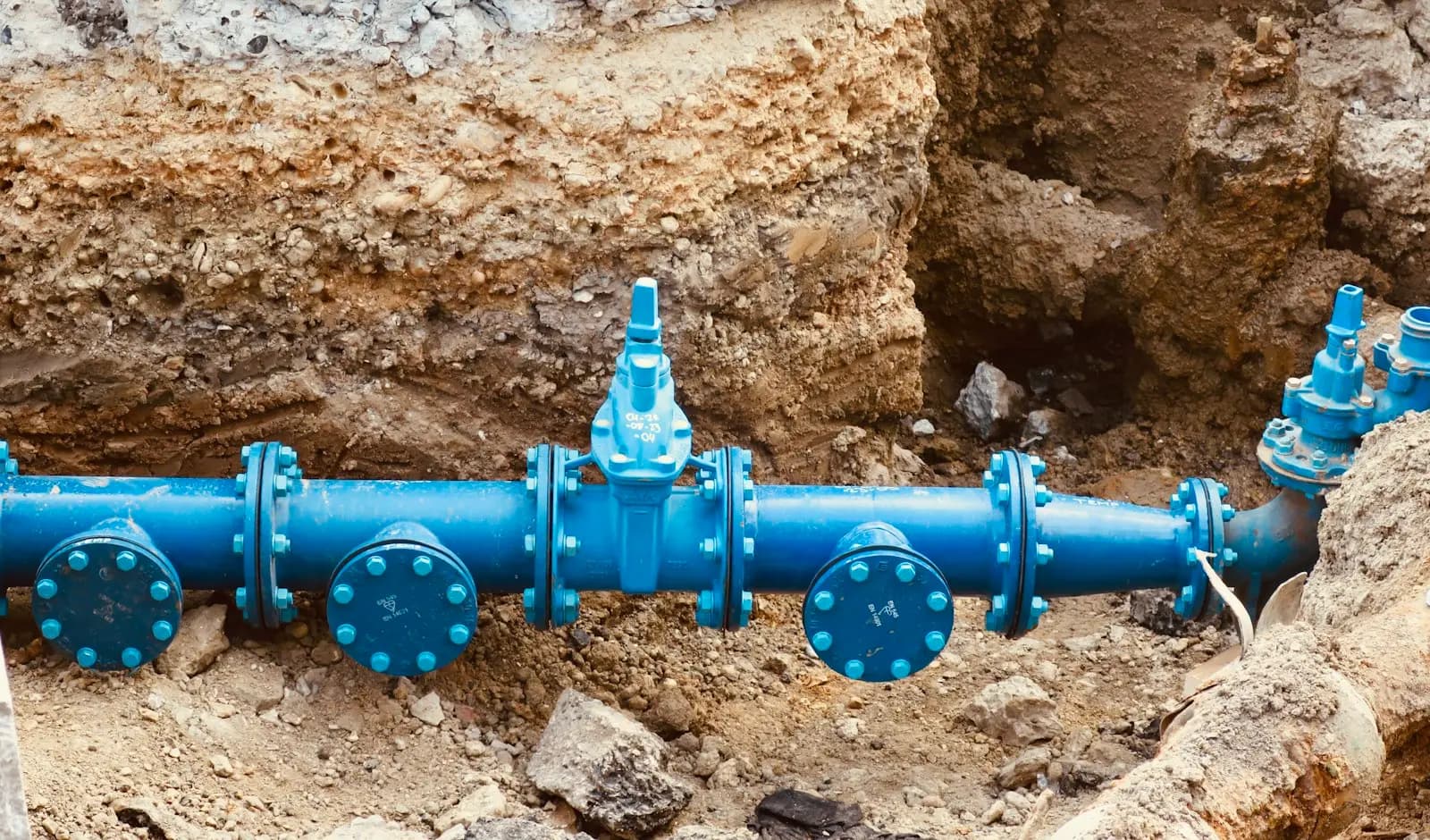
Water line repair
The water service line runs from the curb stop near the street to your house, buried below the frost line.
Learn more
Burst pipe repair
Turn off the main water shutoff first, then open a faucet on the lowest floor to drain the lines.
Learn more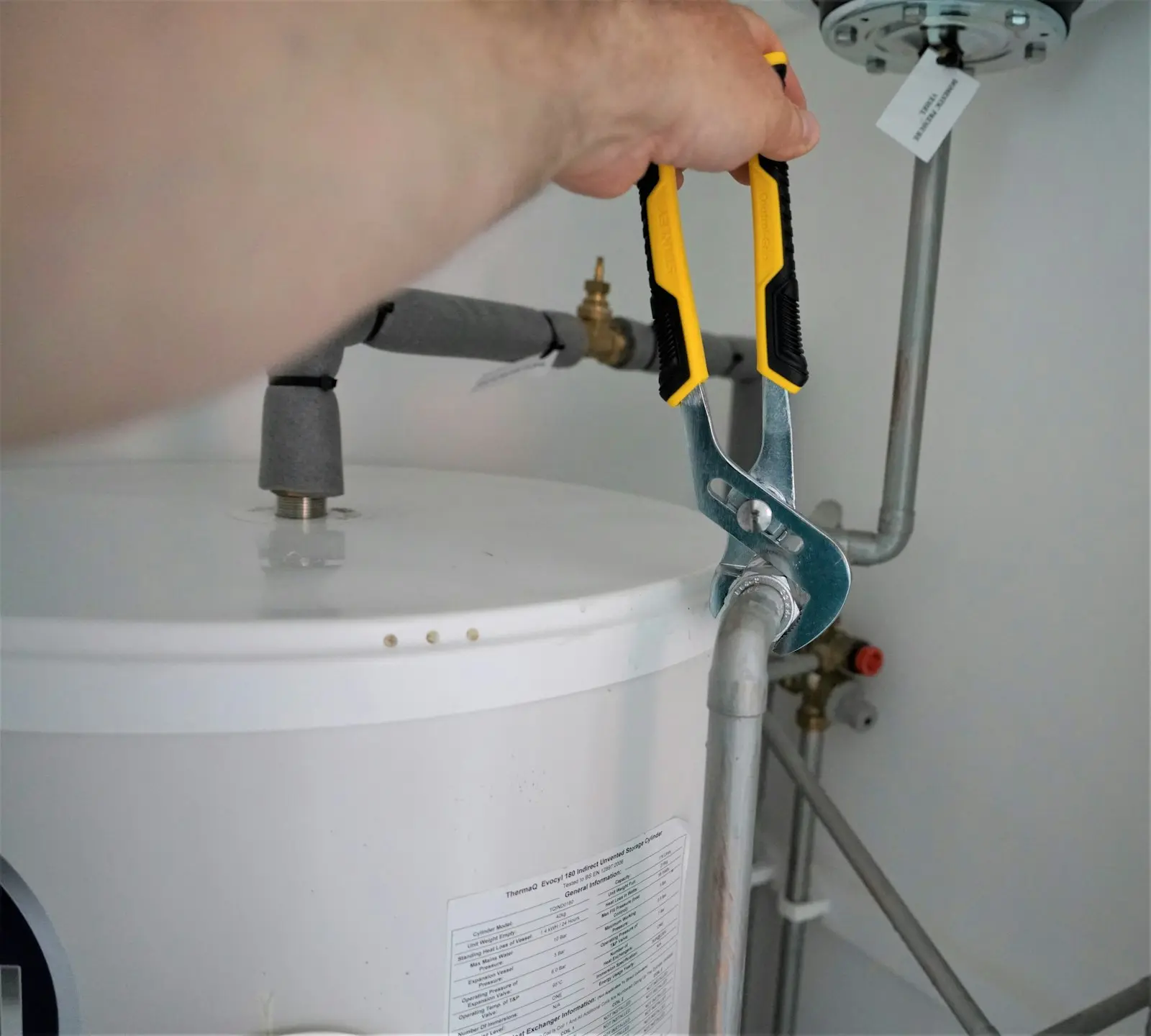
Water heater replacement
A leaking tank or a heater past about 10 years old is usually replaced rather than repaired.
Learn moreWater where it shouldn't be? Start with a call.
Tell us what's going on and your ZIP code. You'll be connected with a licensed plumber who serves your area.
Call now to check plumber availability