
3 services · Miami
Water heaters in Miami, FL
Most tank water heaters last about 8 to 12 years. A plumber can often repair a heater that stops making hot water, but a tank that leaks from the bottom has failed and needs to be replaced. Tankless heaters last longer but cost more to install, especially if the gas line or venting has to change.
- Licensed local plumbers
- The problem explained before work starts
- Price agreed before the job begins
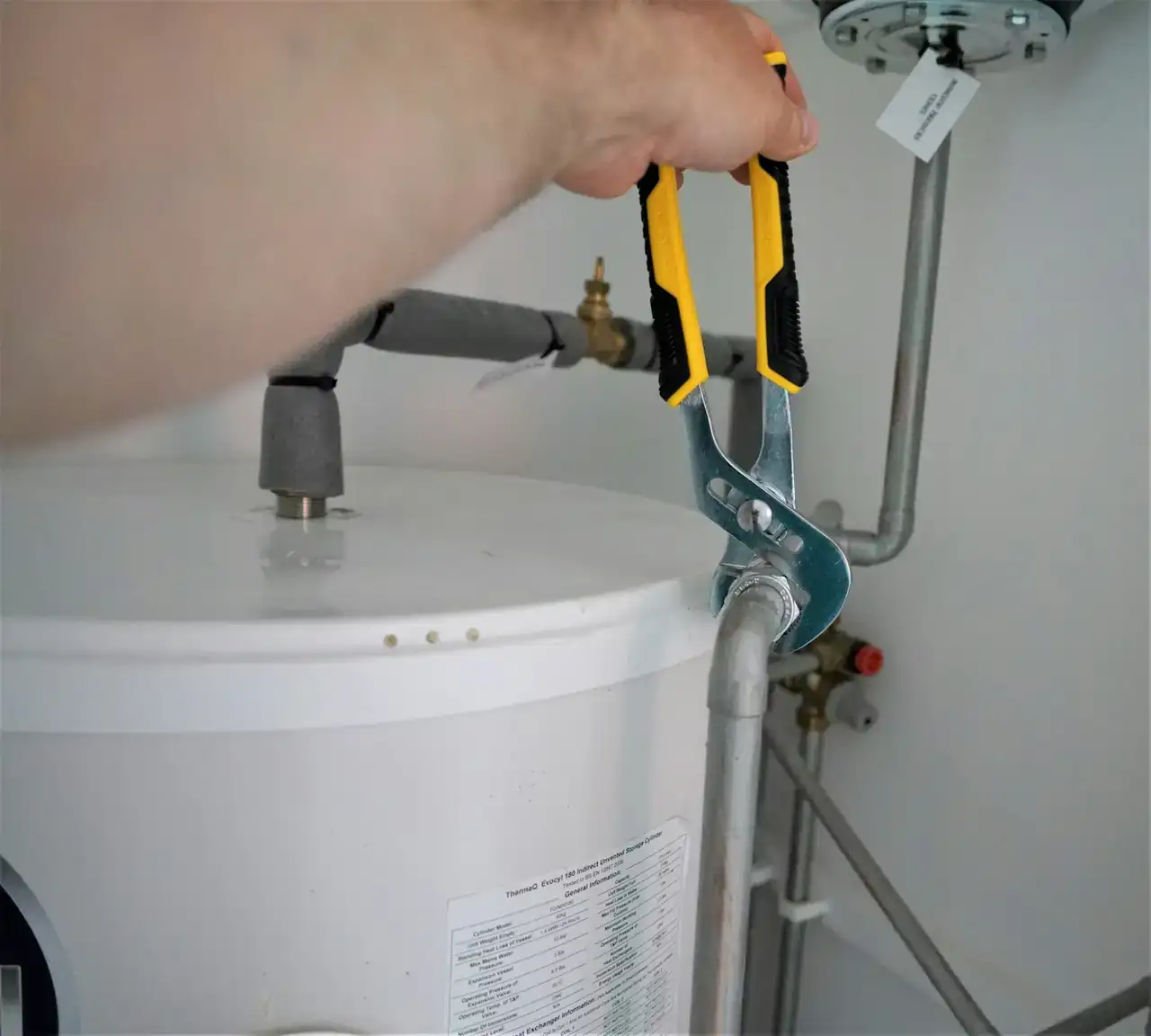
Water heaters services in Miami
Water heater repair
UrgentIf a gas water heater has no hot water, the pilot, thermocouple or gas valve is the usual cause; on an electric heater it's usually an element or thermostat. Those parts are repairable. A tank that leaks from the bottom can't be repaired and needs to be replaced.
Water heater replacement
A leaking tank or a heater past about 10 years old is usually replaced rather than repaired. A proper install includes a permit, correct venting (adjusted for altitude where needed), an expansion tank where required, a drip leg on the gas line and a relief valve discharge pipe.
Tankless water heaters
A tankless water heater heats water as it flows, so it doesn't run out, but it needs a larger gas line, its own venting and a unit rated for your elevation. Installed correctly and descaled regularly, it can outlast a tank heater.
Local conditions
Water heaters in Miami: what's different
Miami's warm incoming water means water heaters don't work as hard as in cold climates, but heat and humidity in garages and utility closets corrode tanks and connections. Many homes use electric heaters because gas service isn't available everywhere.
Hurricane season is a reason to check that the heater is secured and its relief line drains properly. Permits for replacements come from the City of Miami Building Department or the local municipality.
- Water and sewer in Miami
- Miami-Dade Water and Sewer Department (WASD) provides water and sewer service.
- Permits in Miami
- Plumbing permits inside the city are issued by the City of Miami Building Department; other municipalities and unincorporated Miami-Dade have their own permit offices.
Miami housing and plumbing
Older homes from the 1920s–1960s often have cast-iron drains that corrode from the inside, a well-known problem across South Florida.
Other Miami conditions that affect plumbing
- Corroding cast-iron drains: Cast-iron drain pipes under older South Florida slabs often crack and scale, and many owners replace or line them.
- Hurricanes and flooding: Storm surge and heavy rain can back up drains; check valves and clear lines matter before storm season.
- Slab leaks: Supply lines under slabs leak quietly; rising water bills and warm floors are common signs.
- Limestone and high water table: South Florida sits on porous limestone with groundwater close to the surface, which affects drainage, septic systems in unsewered areas, and how quickly heavy rain floods streets and backs up drains.
Neighborhoods and ZIP codes
Plumbers on Thawline cover Miami and Miami-Dade County, including Coconut Grove, Little Havana, Coral Way, Brickell, Little River, Shenandoah. ZIP codes: 33101 · 33102 · 33106 · 33111 · 33112 · 33116.
When to call a plumber in Miami
- No hot water, or hot water that runs out much faster than it used to
- Water pooling around the base of the tank
- Rumbling or popping from the tank
- Rusty or smelly hot water
- A pilot that won't stay lit or a tankless unit showing an error code
- A heater more than 10 years old before it fails
How these problems start and how to choose between repair options is covered in the water heaters guide.
Water heaters questions in Miami
How long do water heaters last in Miami?
How long does a water heater replacement take?
More plumbing in Miami
Need help with water heaters in Miami?
Tell us what's going on and your ZIP code. You'll be connected with a licensed plumber who serves your area.
Call now to check plumber availability