
Drains & sewer · Denver
Sewer line repair in Denver, CO
A damaged sewer line can be fixed with a spot repair, a trenchless liner, pipe bursting or an open-trench replacement. Which one fits depends on what the camera shows, how deep the pipe is, and what's on top of it, such as a driveway, trees or landscaping.
- Licensed local plumbers
- The problem explained before work starts
- Price agreed before the job begins
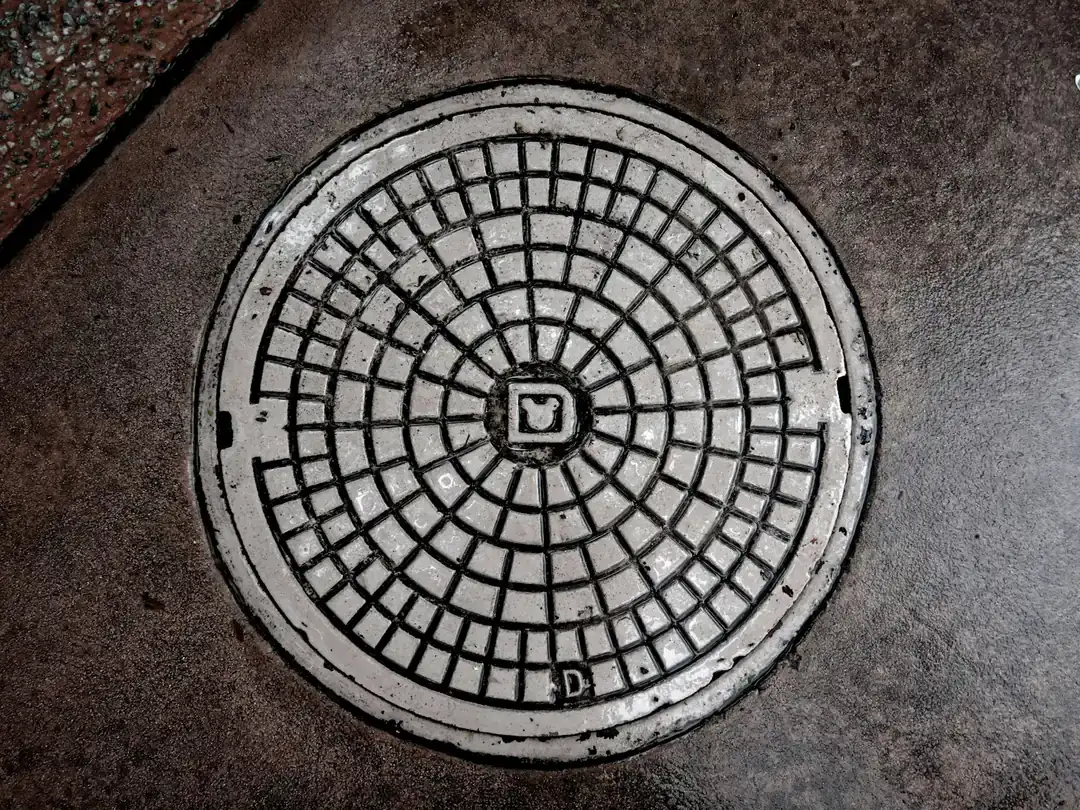
Sewer line repair for Denver homes
Sewer repairs are big decisions, so they should start with a camera video and a locator showing exactly where the defect is. One cracked joint near the foundation is a very different job from a line that's collapsed in three places under the street.
For the full guide, including what you can safely do before a plumber arrives, see sewer line repair explained.
Sewer line repair in Denver at a glance
- Urgency
- Can be an emergency: shut off the water and call
- Area
- Denver, CO
- Who does the work
- An independent, licensed local plumber
- Permit
- Plumbing permits and inspections are handled by Denver Community Planning and Development. Sewer work in the street also needs a right-of-way permit from the city.
- Typical steps
- Diagnose → Choose a method → Permit and locate → Repair and inspect
- Availability
- Call now to check plumber availability
Signs you need sewer line repair in Denver
- Roots found in the line again and again
- Sewage backing up into the basement
- A camera showing breaks, sags or offset joints
- Sewer smell in the yard
- Unusually green or sunken strips of lawn
Local conditions
Sewer line repair in Denver: what's different
In Denver the homeowner owns the sewer service line all the way to the main in the street, and many pre-1960 neighborhoods such as Park Hill, Berkeley, Baker and Washington Park still have the original clay pipe. Mature street trees put roots into those joints, and decades of expansive-soil movement leave offset joints and sags.
Work that reaches the street needs a right-of-way permit from the city on top of the plumbing permit, and Colorado 811 must mark gas, electric and fiber before any digging. Trenchless lining or pipe bursting often makes sense under mature trees, driveways and the city sidewalk, where open trenching is expensive to restore.
- Water and sewer in Denver
- Denver Water supplies drinking water. Wastewater is collected by the city and treated by Metro Water Recovery. Homeowners own the sewer service line from the house to the main in the street.
- Permits in Denver
- Plumbing permits and inspections are handled by Denver Community Planning and Development. Sewer work in the street also needs a right-of-way permit from the city.
Denver housing and plumbing
Bungalows and foursquares from the 1900s–1930s often have clay sewer lines and partial galvanized supply lines, sometimes spliced to copper during earlier remodels. Post-war ranches from the 1950s typically have cast-iron drains and copper or galvanized supply. Many have finished basements added decades later, which hide pipes that run along cold foundation walls.
Neighborhoods and ZIP codes
Plumbers on Thawline cover Denver and Denver County, including Capitol Hill, Highland, Washington Park, Park Hill, Baker, Berkeley, Harvey Park, Montclair, Central Park, Green Valley Ranch. ZIP codes: 80202 · 80203 · 80204 · 80205 · 80206 · 80207 · 80209 · 80210 · 80211 · 80212 · 80216 · 80218 · 80219 · 80220 · 80222 · 80223 · 80224 · 80230 · 80231 · 80236 · 80237 · 80238 · 80239 · 80246 · 80247 · 80249.
Other Denver conditions that affect plumbing
- Roots in clay sewer laterals: Mature silver maples, elms and cottonwoods line many older Denver streets, and their roots find every joint in clay sewer pipe. Recurring main line clogs in a pre-1960 home are usually roots.
- Galvanized supply pipe: Low pressure and rusty water in older homes usually trace back to galvanized steel pipe corroding from the inside. Partial repipes are common where only some runs were replaced.
- Lead service line replacement: Denver Water runs a lead service line replacement program for homes with lead pipes from the main. If you get a notice, the utility's program can cover replacement of the service line.
How sewer line repair works in Denver
- 1
Diagnose
Camera inspection and locating confirm the damage, its depth and its position.
- 2
Choose a method
The plumber explains spot repair, lining, bursting or trenching and why one fits.
- 3
Permit and locate
Permits are pulled and 811 is called to mark buried utilities before digging.
- 4
Repair and inspect
The work is inspected, then the line is cameraed again to confirm it's sound.
What affects sewer line repair cost in Denver
Every job is priced by the plumber after they see it. These are the things that move the price most. Ask for the price before work starts.
- Repair method
- Depth and length of pipe
- Driveways, trees or landscaping above the line
- Work in the street or at the main
- Permits and restoration
Sewer line repair questions in Denver
Who pays to repair a sewer line under a Denver street?
Is trenchless sewer repair allowed in Denver?
What is trenchless sewer repair?
Who pays for a sewer line under the street?
Do I need a permit to replace a sewer line?
Also in Denver
Related
Related plumbing services
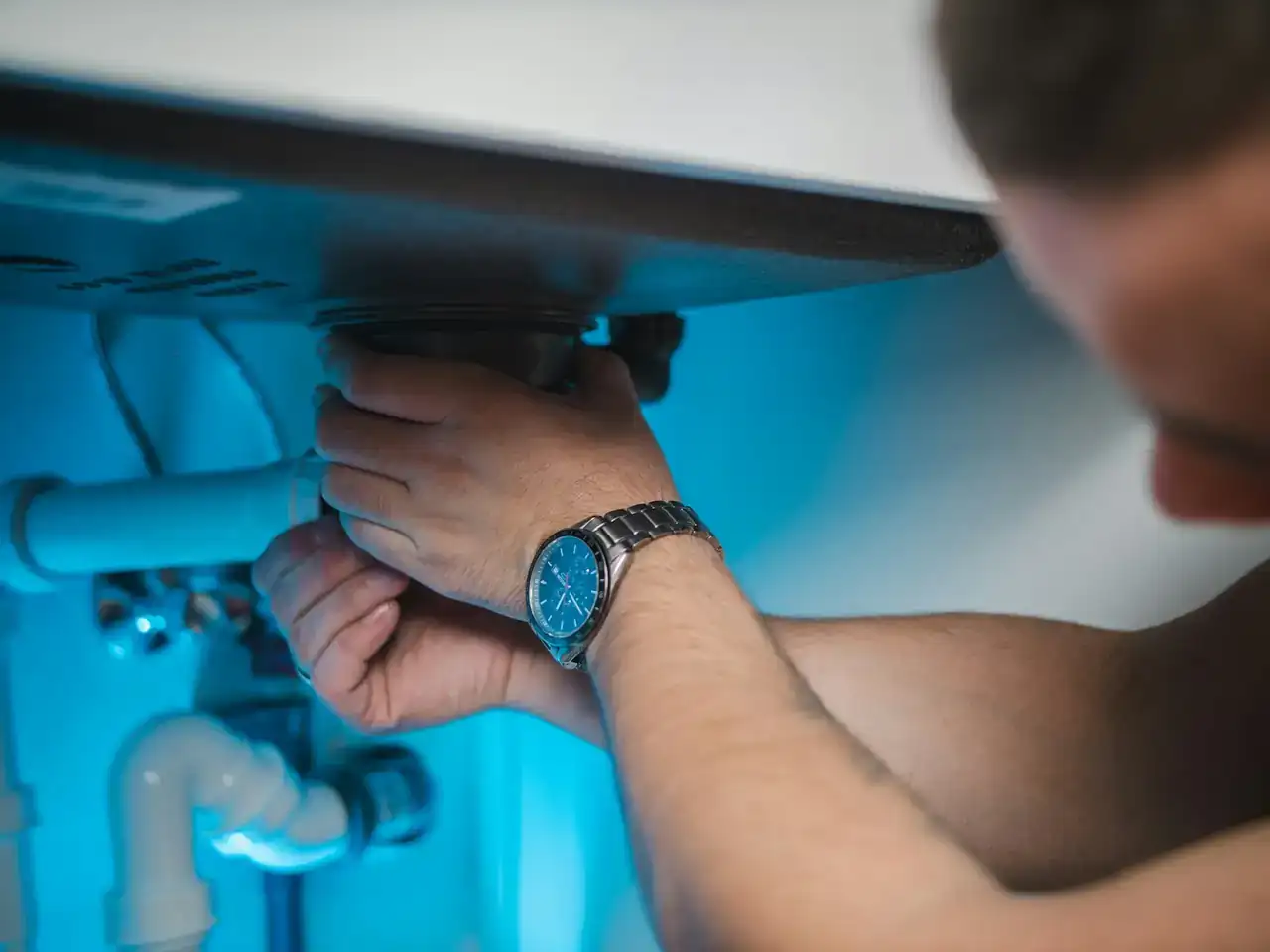
Sewer camera inspection
A sewer camera inspection runs a waterproof camera through the line from your house to the city main and records what it finds: roots, cracks, sags, offset joints or collapsed pipe.
Learn more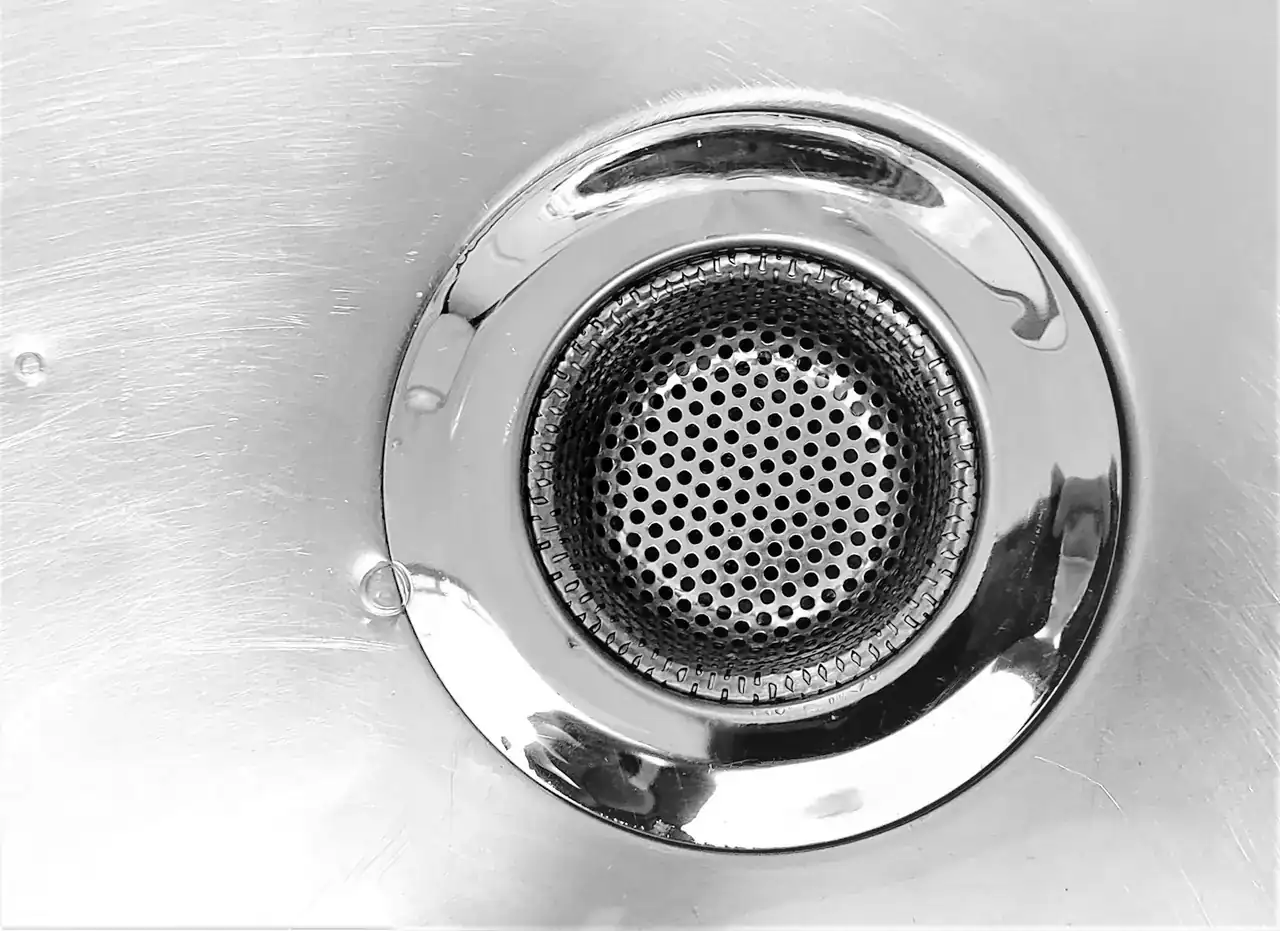
Drain cleaning
If one fixture is slow, the clog is usually in that fixture's branch line.
Learn more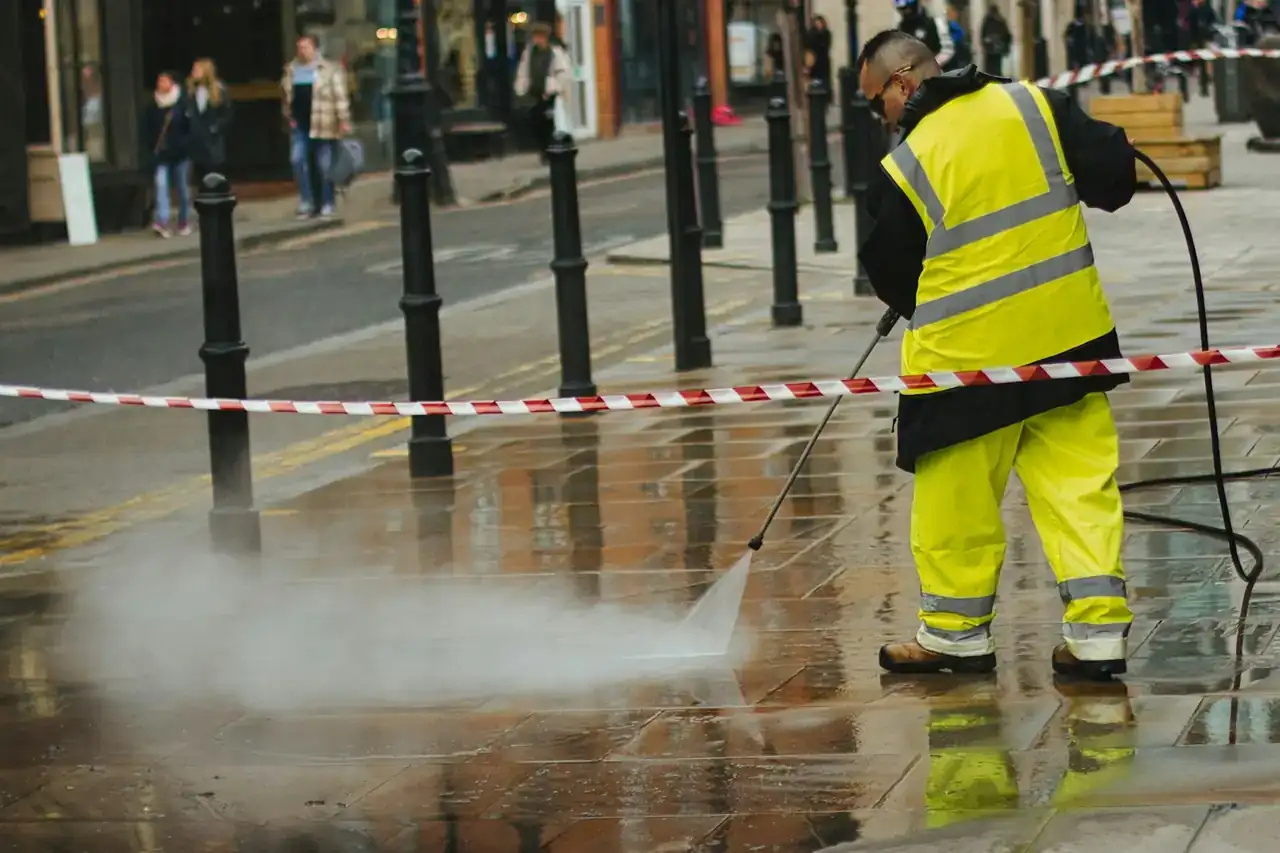
Hydro jetting
Hydro jetting cleans the full width of a drain pipe with high-pressure water, washing out grease, scale and fine roots that a cable only punches a hole through.
Learn moreGuides
Read before you call
Drains & sewer
Why is my basement floor drain backing up?
When water comes up through the basement floor drain, the main sewer line is usually blocked between the house and the street. Stop using water upstairs, then call a plumber to clear the main line. If it happens more than once, a camera inspection shows the cause.
Drains & sewer
Should you get a sewer scope before buying a home?
For homes built before about 1980, or with large trees in the front yard, a sewer scope is worth it. A standard home inspection doesn't look inside the sewer line, and in most U.S. cities the buyer will own that line, often all the way to the main.
Need sewer line repair in Denver?
Tell us what's going on and your ZIP code. You'll be connected with a licensed plumber who serves your area.
Call now to check plumber availability